I. Ancient origins: a commercial and military space

As early as the 1st century, the area that would become Place Bellecour was part of a busy suburb of Lugdunum. Located between the Rhône and Saône rivers, this peninsula housed canabae, small warehouses linked to river trade. Archaeological excavations have revealed mosaics, amphorae, and traces of dwellings, confirming the economic importance of this area. At that time, the site was not yet a public square, but a growing district, focused on commerce and crafts.
II. From the Middle Ages to the Renaissance: from the “beautiful garden” to the military terrain
In the 12th century, the site became the property of the Archbishop of Lyon, who planted a vineyard there called bella curtis (“beautiful garden”), which gave rise to the future name Bellecour.
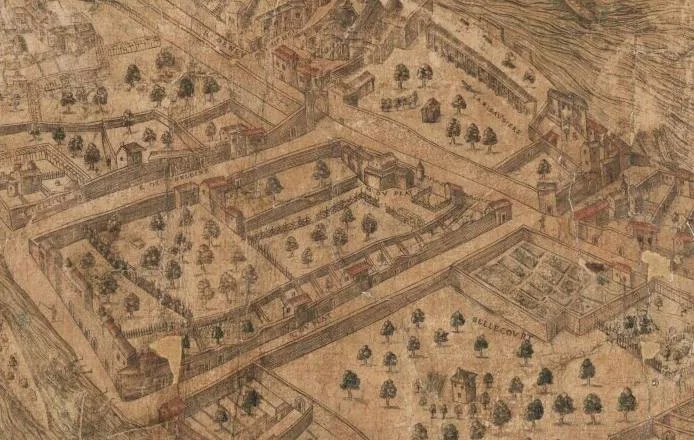
But gradually, the land was abandoned and turned into a marsh. In 1562, during the Wars of Religion, Baron des Adrets set up his military camp there, renaming the place Pré de Belle-court.
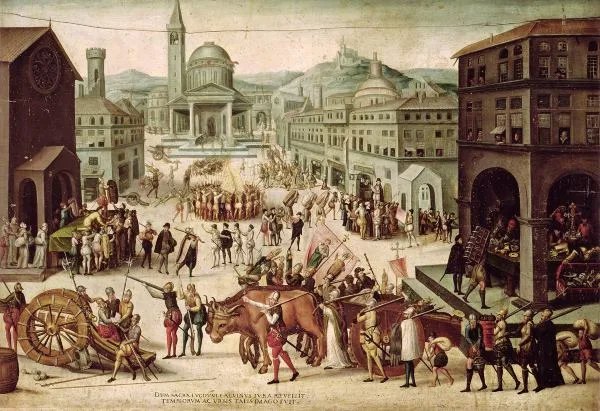
The strategic and symbolic function of the site is already emerging.
III. 17th–18th centuries: the royal boom and the birth of the monumental square
Under Henry IV and then Louis XIV, space became a political issue. In 1604, the city of Lyon obtained the land to create a large public square. Louis XIV confirmed this allocation in 1658, protecting Bellecour from any privatization.
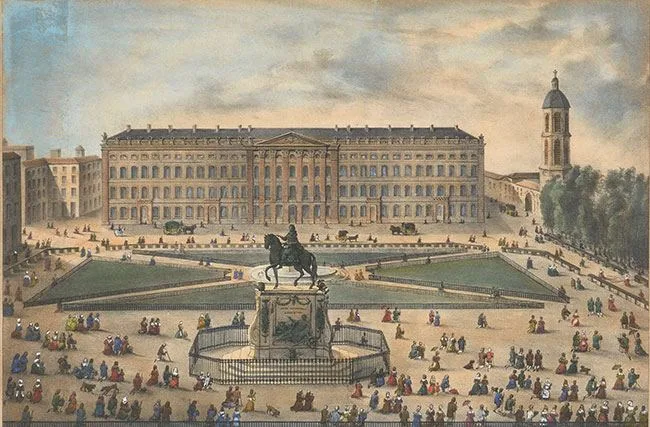
In 1715, the space was transformed into a veritable royal square. The architect Robert de Cotte designed majestic, uniform facades, and an equestrian statue of Louis XIV, the work of Martin Desjardins, was installed in the center. Bellecour became a prestigious place, a symbol of monarchical power, similar to the great royal squares of Paris or Bordeaux.
IV. Revolution and Empire: between freedom and instability
The Revolution disrupted the site's function. The royal statue was destroyed in 1793 and melted down to make cannons. The square became Place de l'Égalité and housed a guillotine. An altar to Liberty was also erected there.
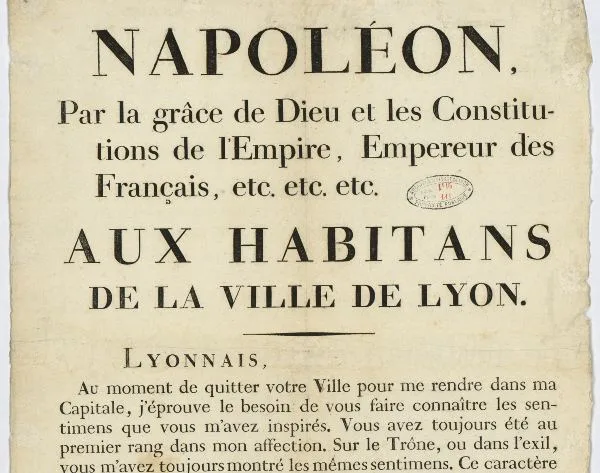
With the Empire, the square changed its name again: Place Bonaparte, then Place Napoléon. It became a popular and political gathering place, where revolutionary fervor and imperial propaganda mingled.
V. 19th century: renaissance and modernization
In 1825, a new statue of Louis XIV, created by François-Frédéric Lemot, was inaugurated. This monumental transport, requiring twenty-four horses and twelve days of travel, made a lasting impression.
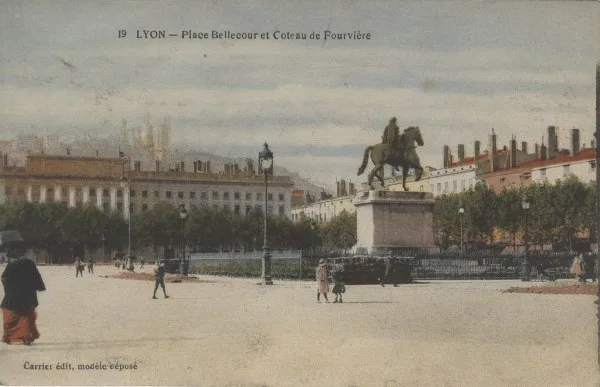
The square came alive with markets, kiosks, and pavilions, some of which still exist today (Tourist Office, cafes). Bellecour became a popular walking spot for the people of Lyon, in the center of a booming bourgeois neighborhood.
VI. 20th century: destruction, modernity and heritage
In 1934, the demolition of the Charité hospital gave rise to the Place Antonin-Poncet, near Bellecour.
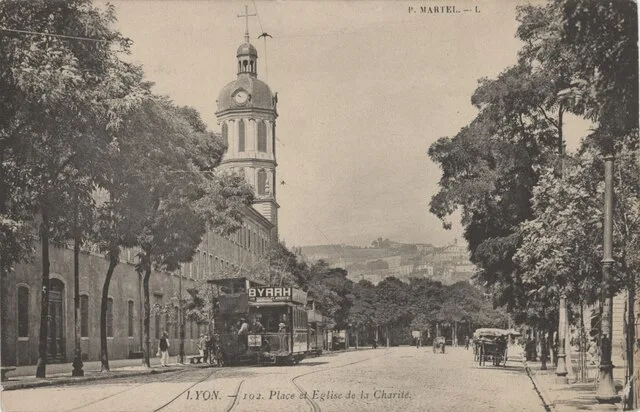
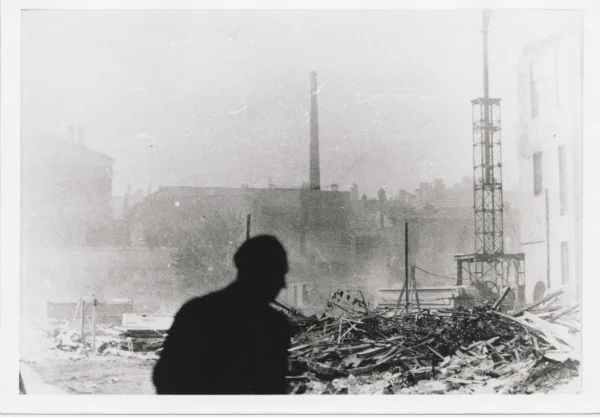
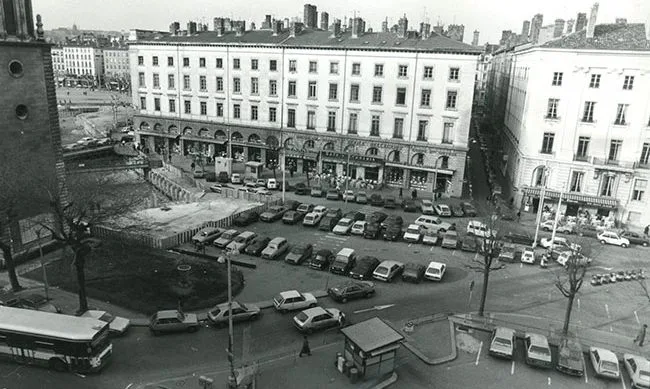
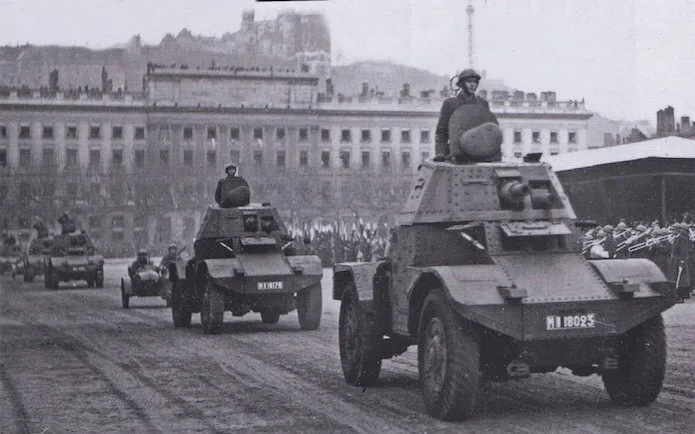
During the Second World War, Bellecour was the scene of rallies and demonstrations. In 1941, its facades were protected as historical monuments.
With the modernization of the city, Bellecour welcomed an underground car park (1963) and then a metro station (1978).
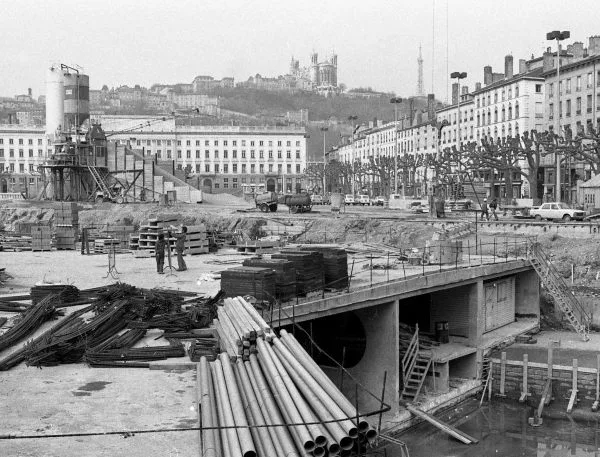
These developments facilitate its role as an urban crossroads.
VII. 21st century: a living and symbolic place
Today, Place Bellecour is one of the beating hearts of Lyon. Recent renovations have aimed to make it more welcoming: resurfaced floors, playgrounds, and modernized kiosks. It hosts major events such as the Festival of Lights, markets, concerts, and civic events. Listed as a UNESCO World Heritage Site, it embodies a balance between historical heritage and contemporary life. Current projects seek to reinvent its use while preserving its role as a Lyon icon.