Boule Lyonnaise, also known as "jeu de boules lyonnais", is a traditional sport that dates back to the 19th century, originating in the Lyon region of France. Its history is closely linked to the silk industry and the Lyon working class of the time.
This game of boules has its roots among the silk workers, the "canuts", who practiced this activity during their work breaks or after their working hours. They used wooden or metal balls to play on specially prepared grounds, generally in the working-class districts of Lyon.
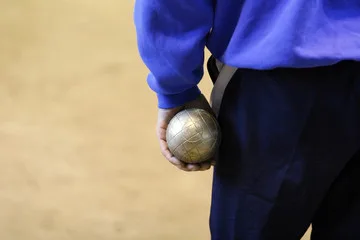
Boule Lyonnaise differs from pétanque in several ways, including the size and weight of the balls used, the distance between the player and the goal to be reached, and the specific rules of the game. Unlike pétanque, where it is generally played standing up, boule Lyonnaise is traditionally played while crouching or leaning over.
Over time, the popularity of boule lyonnaise spread throughout the Lyon region and surrounding areas of southeastern France. However, its appeal declined during the 20th century in favor of pétanque, which became more widespread and accessible to a wider audience.
Despite this, boule lyonnaise retains an important place in the history of boules games in France, as a precursor to modern pétanque and as a traditional sport reflecting the cultural and working heritage of the Lyon region. Associations and tournaments still perpetuate the practice of this game today, thus preserving its historical heritage.