
A Jewel of Nature and History in the Heart of Lyon
The Parc de la Tête d'Or, Lyon's majestic green lung, is an emblematic space that harmoniously combines nature, history and leisure. Spread over 117 hectares, this colossal urban park has become one of the largest public parks in France, embedded in the heart of the city, offering a peaceful and green escape to its residents and visitors.
Historical Origins
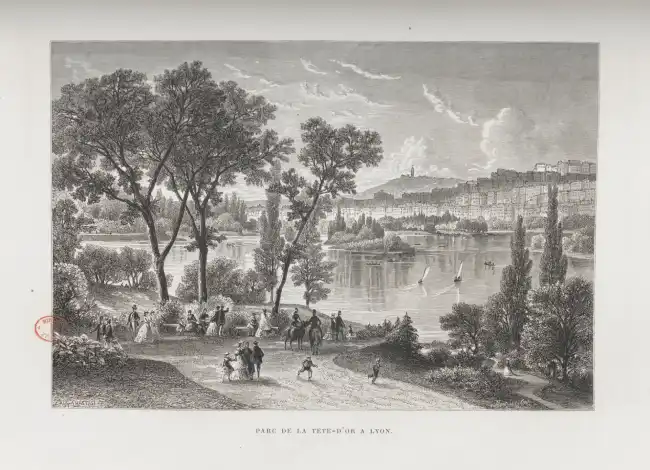
The history of the Parc de la Tête d'Or dates back to 1857, when the Lyon municipality decided to transform an agricultural estate into a place of leisure for citizens. Work began under the direction of landscaper Denis Bühler and architect Alphonse Cordonnier. The inauguration in 1857 marked the beginning of its evolution into an exceptional green space.
A Botanical Jewel
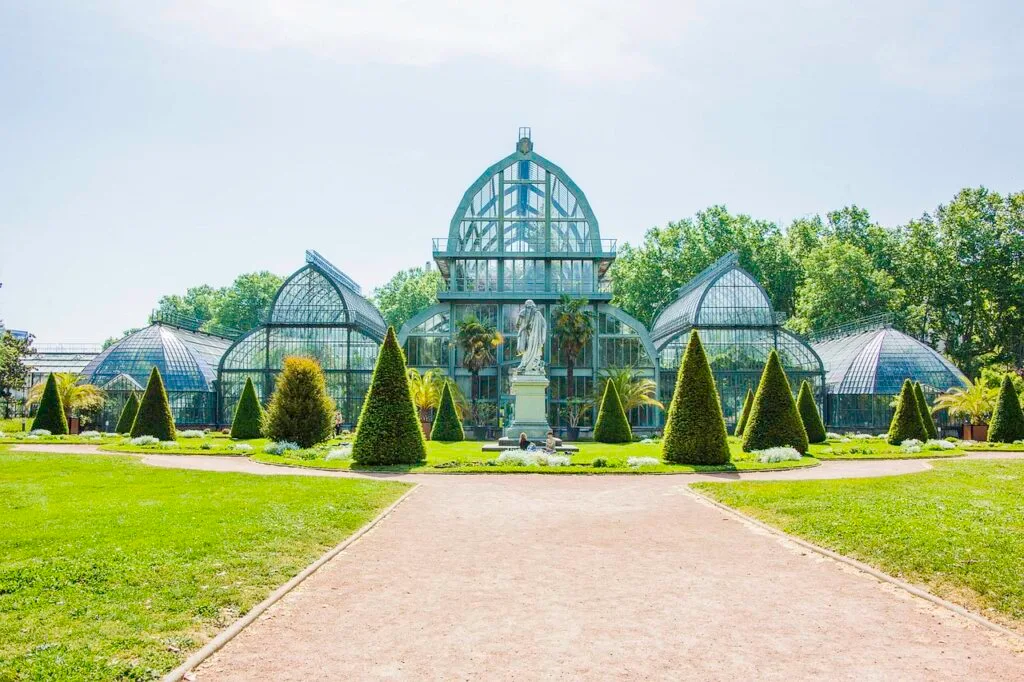
The park is a living tableau of botanical diversity. It features manicured French gardens, tropical greenhouses housing a multitude of exotic species, a serene lake reflecting the majestic trees, and lush vegetation, including majestic redwoods, offering visitors a visual delight.

Cultural Attractions
In addition to its extensive green spaces, the park is home to a zoo, Founded in 1858, the zoo houses a fascinating variety of exotic animals, allowing visitors to escape to faraway lands without leaving the city. The zoo is also involved in the preservation and protection of endangered species, contributing to biodiversity conservation.

The Great Greenhouses of the Parc de la Tête d'Or

Beyond its recreational purpose, the Parc de la Tête d'Or is home to a botanical conservatory dedicated to scientific research and the preservation of endangered plant species. This conservation work is embodied in an emblematic location within the park: the Great Greenhouses.
Genuine living laboratories, The greenhouses recreate tropical, arid, or subtropical environments essential for the study and preservation of rare plants. They house botanical collections from around the world, integrated into national and international biodiversity protection programs.
Thanks to these climate-controlled spaces, the conservatory carries out several essential missions:
- Preservation of endangered species
- Reproduction and scientific monitoring
- Public awareness environmental issues
The Great Greenhouses are therefore not just a spectacular setting: they constitute the operational heart of the conservatory, a place where science, education and plant diversity meet.
A Refuge of Urban Serenity
Over time, the park has become a sanctuary of tranquility, a place where city dwellers can recharge their batteries, play sports, stroll or simply relax in the heart of the city. Its natural beauty and history make it a space of convergence between unspoiled nature and the urban fabric, offering a breath of fresh air to all who visit it.

Conclusion
The Parc de la Tête d'Or, with its perfect blend of unspoiled nature, cultural attractions and rich history, embodies Lyon's desire to create a harmonious balance between urban planning and the environment. It is a symbol of the value of green spaces in the urban fabric, offering a haven of peace and beauty amidst the hustle and bustle of city life.

The Palais de Flore, built by the architect Clément Laval in 1930, stands out for its imposing stature, reaching a height of 40 metres.

The Palais de Flore, built by the architect Clément Laval in 1930, stands out for its imposing stature, reaching a height of 40 metres.

Welcome to the Gare des Brotteaux. Please note that there used to be a small wooden and plaster station, built in 1858 to accommodate the Lyon-Geneva line.

Welcome to the former Guimet Museum, a place rich in history and artistic diversity.

You are in front of an astonishing scene where past and present meet. Observe the 19th century villa enclosed in an office building.

Welcome to the Sainte-Croix Chapel, also known as the Missionaries of Our Lady Chapel.

Stop in front of number 28 avenue maréchal Foch, where you will find a real curiosity: the smallest house in the city.


